Affordable garden maintenance Erith High Street homes

If you live on or around High Street in Erith, you probably know the feeling: the garden looks fine one week, then a bit untidy the next, and suddenly the weeds have made themselves very comfortable. Affordable garden maintenance Erith High Street homes is really about keeping that outdoor space under control without turning it into a money drain. It is not about fancy redesigns or over-the-top visits. It is about reliable, sensible upkeep that keeps paths clear, lawns healthy, hedges tidy, and borders looking cared for. That is the sort of thing people notice straight away, even if they do not say it.
This guide breaks down what affordable maintenance actually includes, how to keep costs sensible, and what to ask for if you want regular help rather than a one-off rescue. You will also find practical ways to stretch a garden budget further, reduce repeat problems, and choose the right level of care for a home near a busy high street. Truth be told, a little planning goes a long way.
Why affordable garden maintenance matters
On a street like Erith High Street, gardens often work a bit harder than people expect. Front gardens are visible from the pavement, back gardens get used for everything from drying washing to family time, and many homes have compact spaces that can become messy quickly if they are ignored. Affordable garden maintenance is important because small jobs left too long become larger, slower, and more expensive to fix. A weekly or fortnightly tidy-up can prevent a full-scale overhaul later on.
There is also the practical side. Overgrown hedges can block light, weeds can break through paving, and lawns can turn patchy if they are cut badly or left too long between visits. If you have ever stood in the garden on a damp Saturday morning and thought, where did all this growth come from? you are not alone. Gardens in London and the surrounding boroughs tend to respond quickly to a mild spell, then a windy one, then a bit of rain. It is a cycle, and it does not wait politely.
Affordable maintenance matters because it protects the things you already have. A healthy lawn, a neat hedge, and clean edges do not just look better; they reduce the need for heavier intervention later. That often means fewer labour hours, less waste, and less disruption around the home. In that sense, affordability is not simply about the lowest price. It is about avoiding wasteful work and making each visit count.
For many homeowners, regular care also makes the property feel easier to live with. The garden stops becoming a nagging weekend job and becomes something pleasant again. That is worth something, especially when life is busy.
If your garden has a few difficult areas, such as dense hedging, persistent ivy, or shady borders that never seem to thrive, it can help to think in terms of priorities rather than perfection. A measured approach keeps the budget manageable and the results steady.
How affordable garden maintenance works in practice
Good garden maintenance usually starts with a simple assessment. The aim is not to sell you more than you need. It is to identify the jobs that will give the biggest improvement for the least effort. A sensible plan might include grass cutting, edging, weeding, hedge trimming, clearing leaves, pruning back soft growth, sweeping hard surfaces, and checking for obvious plant health issues.
In many cases, affordable maintenance works best as a recurring service. That might be weekly in the growing season, or less frequent through the colder months. A regular schedule helps keep tasks shorter, which is often more cost-effective than waiting until everything has become tangled. If a garden is already in decent shape, maintenance visits can stay focused and efficient. If it has been neglected for a while, the first visit may be more intensive, then later visits can be lighter.
There are also different ways a budget can be managed. Some homeowners prefer a fixed checklist at each visit so they know exactly what is being handled. Others want seasonal flexibility, where the priority changes depending on weather and growth. Both approaches can work. The key is clarity. If you know which tasks matter most, you can focus spending where it helps most.
It is worth separating regular maintenance from one-off specialist work. Basic upkeep is designed to keep the garden in order. More involved jobs, like tree work or substantial landscaping changes, usually sit outside a low-cost maintenance plan. That distinction matters because it prevents surprises and keeps expectations realistic.
A useful way to think about it: maintenance is the rhythm, not the rescue. You want small, steady visits to stop the garden drifting out of shape. That is the whole game, really.
Key benefits and practical advantages
There are plenty of reasons people choose affordable garden maintenance, and most of them are practical rather than glamorous. That is fine. Practical is often the best kind of good.
- Better curb appeal: a tidy front garden instantly improves how a home feels from the street.
- Less weekend pressure: you do not spend every spare hour wrestling with weeds or thick grass.
- Lower long-term costs: regular care prevents expensive catch-up jobs later.
- Healthier plants: pruning, feeding, and removing dead material at the right time supports stronger growth.
- Safer outdoor spaces: clear paths, controlled growth, and tidy edges reduce trip hazards and awkward access.
- More usable space: when the garden is under control, it feels bigger and easier to enjoy.
One benefit people often overlook is consistency. A garden does not need to be perfect to look good. It needs to be looked after. You can have a small terrace or a modest back garden and still make it feel calm and welcoming if the basics are done well.
For families, the benefit is often peace of mind. For older homeowners, it may be about avoiding physically demanding tasks. For landlords or busy professionals, it can be about keeping a property presentable without constant attention. Different needs, same outcome: a garden that does not become a problem.
If you are trying to get a lot from a limited budget, it helps to combine maintenance with simple improvements. For example, choosing the right plants can reduce future work. Ground cover, for instance, can suppress weeds and make borders easier to keep neat; a helpful overview is available in this guide to ground cover plants. Small decisions like that can pay off for years.
Who this is for and when it makes sense
Affordable garden maintenance is a strong fit for a few different types of households. If you are not sure whether it applies to you, ask yourself a couple of plain questions. Is the garden starting to take more effort than you can realistically spare? Are you paying for occasional fixes that would be cheaper if the work were spread out? If so, a maintenance plan may make more sense than ad hoc help.
This approach is especially useful for:
- homeowners who want a neat garden without constantly doing the work themselves;
- busy families who need the outside space to stay usable, not just look good on one sunny weekend;
- older residents who prefer light, regular upkeep instead of heavy seasonal jobs;
- landlords and property owners wanting a tidy first impression;
- people with smaller gardens where every bit of neglected growth stands out;
- homeowners dealing with tricky features such as hedges, ivy, narrow borders, or awkward corners.
It also makes sense after a period of weather damage or general neglect. Sometimes a garden needs a reset before it can move into a low-cost routine. The important thing is not to panic and request everything at once. Start with the biggest problems: safety, access, and visible tidiness. Then build from there.
In our experience, the best-value jobs are often the ones that prevent a cascade of other problems. A hedge trimmed at the right time, for example, can be far easier to manage than a hedge left to turn into a leafy wall. Same with weeds. Let them settle in, and they become a recurring expense instead of a small chore.
Step-by-step guidance
If you want to keep garden maintenance affordable, a structured approach is far more effective than guessing. Here is a straightforward way to do it.
- Walk the garden slowly. Look for what is actually causing the mess: weeds, long grass, hedge overgrowth, fallen leaves, dead plants, or hard surfaces that need clearing.
- Separate urgent jobs from cosmetic ones. Safety and access come first. Pretty details can wait if the budget is tight.
- Set a maintenance frequency. Weekly, fortnightly, or monthly depends on growth rate, season, and garden size.
- Choose repeat tasks. Mowing, edging, light weeding, and hedge trimming usually give the biggest visual improvement.
- Flag special areas. If there is ivy, a neglected corner, or a border that needs reshaping, note it separately so it does not swallow the whole visit.
- Agree the standard. A tidy finish matters more than doing everything. Be clear about what counts as done.
- Review after the first visit. If certain jobs keep returning, adjust the routine rather than letting costs creep.
This step-by-step method keeps the work practical. It also helps avoid the common trap of paying for a broad service when what you really needed was targeted help. That is a very normal mistake, by the way. Happens all the time.
If you want to refresh a neglected space before settling into routine upkeep, it can help to read a guide to refreshing a neglected garden. That kind of reset can make maintenance easier and cheaper afterwards.
Expert tips for better results
Affordable maintenance is not just about cutting corners. It is about making smart choices. A few simple habits can save a surprising amount of time and money.
1. Keep growth under control before it becomes woody
Soft new growth is quick to trim. Mature, woody growth takes longer and usually needs more care. That is one reason regular hedge and shrub attention is so valuable. If you let things harden off, the job becomes slower and noisier. Not tragic, just annoying.
2. Focus on the high-impact areas first
Front edges, paths, and the first thing people see from the street matter most for the visual impression. In a small garden, a clean border and neat lawn can do more than an hour of extra detail elsewhere.
3. Use the seasons properly
Spring and early summer usually demand more attention, while winter is better for lighter planning, debris clearance, and checking plant protection. If you want to understand weather resilience better, the article on building resilience against severe weather is worth a look.
4. Don't ignore the boring jobs
Weeding, edging, and leaf clearance are not exciting, but they keep everything looking cared for. A tidy edge can make a lawn look newer than it really is. Small miracle, really.
5. Match plants to the site
Plants that suit the shade, wind, and soil conditions need less intervention. If you are planning additions rather than just maintenance, that is where the savings start to compound. Strong plant choice reduces replacement costs and weak patches.
6. Build the service around your life, not the other way round
If you are usually away during the week, a flexible visit pattern might work better. If the garden is mainly used at weekends, schedule maintenance just before that. The rhythm should fit the home.
Common mistakes to avoid
Most garden budgets get blown by a handful of predictable issues. You can avoid quite a few of them with a bit of discipline.
- Waiting too long between visits: the longer you leave growth unchecked, the longer the next visit takes.
- Paying for unnecessary extras: not every garden needs every task on every visit.
- Ignoring problem plants: ivy, invasive weeds, and unchecked hedges can become persistent jobs. For stubborn climbing growth, see our ivy removal advice.
- Assuming one-off tidy-ups are enough: they can help, but they do not replace routine care.
- Using the wrong equipment for the job: poor tools lead to rough cuts, missed spots, and more time spent putting things right.
- Not thinking about access: if tools, waste, or pruning cuttings have to be moved awkwardly, the job gets slower and more costly.
- Expecting a bargain to cover specialist work: tree work, major landscaping, and major repairs are different tasks.
There is also a quieter mistake: trying to make the garden look perfect all at once. That can be expensive and exhausting. Better to decide what matters most and improve that first. A sensible garden is usually a series of good decisions, not one heroic afternoon.
Tools, resources and recommendations
You do not need a shed full of expensive kit to maintain a small garden well. In fact, too much gear can make things more complicated. A compact set of reliable tools is often enough for basic upkeep, especially if you are paying for help on the more demanding jobs.
Useful tools and materials typically include:
- a sharp lawn mower for regular cutting;
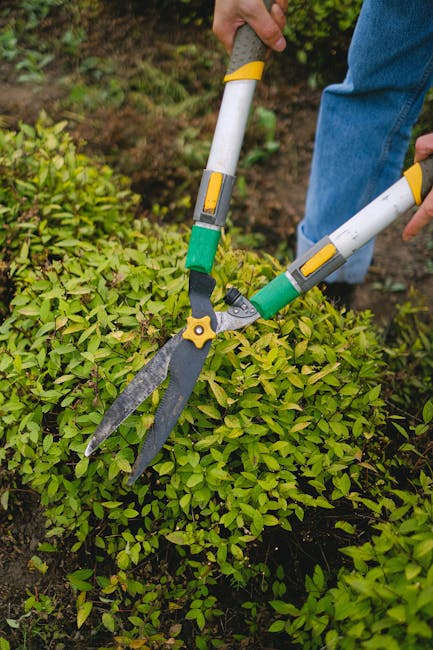
- hand shears or hedge trimmers for controlled trimming;
- a hoe or hand weeder for border maintenance;
- sturdy gloves and basic protective footwear;
- a leaf rake or lawn rake for seasonal tidy-ups;
- secoateurs for deadheading and light pruning;
- garden waste bags or a clear collection system.
For homeowners wanting to keep borders tidy with less effort, low-maintenance planting is a worthwhile subject. The article on creating a lively herb garden offers practical ideas that are useful in smaller spaces, while starting a container garden can help if you want colour without the burden of large beds.
If you are working with shaded corners, the right plants make an enormous difference. See how evergreen shade climbers can transform dark corners. For homes exposed to wind, a more sheltered planting scheme can reduce breakage and mess; the guide to gardens fortified against wind is useful there.
And if privacy is part of the brief, hedges can do a lot of quiet work. Take a look at rapid-growth hedge selections for privacy and, for more shaped or formal planting, hedge design ideas.
Law, compliance, standards, or best practice
For garden maintenance around a home, the main thing is to follow normal UK good practice and work safely. You do not usually need complicated compliance knowledge for standard upkeep, but you do need common sense and care. That means protecting surfaces, handling tools correctly, managing waste responsibly, and avoiding unsafe working at height or around power equipment.
If any maintenance involves ladders, power tools, dense overgrowth, or difficult access, it is sensible to think about risk before starting. Professional providers should have clear health and safety procedures, proper insurance, and a practical approach to site safety. If you want to understand how a provider approaches this, it is reasonable to review their insurance and safety information and their health and safety policy. That is not being fussy. It is just sensible.
Waste handling matters too. Garden cuttings, soil, and debris should be collected and dealt with responsibly. If a lot of material is being removed, a provider should explain what happens next. No need for drama, just clarity.
For customer expectations, it is also good practice to have transparent terms, clear payment arrangements, and a simple way to raise concerns if something goes wrong. Policies such as terms and conditions, payment and security, and complaints procedure are all part of a trustworthy service. You may never need them, which is ideal. But it is reassuring when they exist.
Options, methods, or comparison table
Not every garden needs the same approach. Here is a simple comparison to help you decide what level of maintenance might suit your home and budget.
| Option | Best for | Typical strengths | Possible downside |
|---|---|---|---|
| DIY only | Very small, easy gardens | Lowest direct cost, full control | Time-consuming, easy to fall behind |
| Occasional one-off tidy-up | Gardens that need a reset | Fast visual improvement | Problems often return if not maintained |
| Regular maintenance visits | Busy homes and visible front gardens | Predictable costs, consistent results | Less suitable if you only need seasonal help |
| Maintenance plus targeted specialist work | Gardens with hedges, trees, patios, or repairs | Efficient blend of routine care and problem solving | Requires clear planning and priorities |
If your garden has hard landscaping that looks tired as well as soft growth that needs control, it can help to combine services. For example, a tidy-up might be paired with patio cleaning or lawn care so the whole space feels refreshed rather than half-finished. That said, only combine jobs if they genuinely matter. No point dressing up the menu.
For larger changes, you may want to explore garden maintenance alongside broader gardening services, or use hedge trimming when a garden is becoming too enclosed. If structural issues are present, the right answer could be tree surgery, fencing, or even a more general landscaping project. Different jobs, different tools, different prices. It is all about matching the service to the actual need.
Case study or real-world example
Picture a typical Erith High Street home with a front patch, a narrow side return, and a back garden that has quietly become a jungle of green. Nothing extreme. Just the usual drift. The lawn is long, the edges have gone fuzzy, weeds are showing through a gravel area, and a hedge has started to lean into the path. The owners are busy, so the garden keeps slipping down the list.
The first visit focuses on the visible essentials: mowing, edging, removing dead growth, clearing weeds from paved areas, and trimming the hedge enough to restore light and access. The second visit is lighter and faster because the worst of the mess has gone. By the third or fourth visit, the garden is no longer a weekend burden. It is simply part of the home again.
What changed? Not some dramatic redesign. Just consistency, sensible priorities, and no wasted effort. The owners stopped asking for everything at once and started asking for the right things in the right order. That is often the difference between "always expensive" and "actually manageable".
They also made a few practical changes. A couple of overcomplicated border plants were replaced with easier options, and the most awkward shady corner was simplified instead of being constantly rescued. If you want ideas for low-maintenance but attractive planting, the article on beginner-friendly garden tips is a useful companion piece.
Small adjustments. Big relief. That is the sort of thing people remember after the first season.
Practical checklist
Use this checklist before booking or planning affordable maintenance for an Erith High Street home:
- Identify the biggest problem areas first.
- Separate routine care from specialist jobs.
- Decide whether you need weekly, fortnightly, or monthly visits.
- List the tasks that matter most: mowing, weeding, hedges, edging, or clearance.
- Check whether your garden needs a one-off reset before routine work.
- Ask how waste will be removed or left behind.
- Review any access issues, pets, gates, or narrow passages.
- Consider seasonal changes before agreeing the schedule.
- Make sure the service has clear insurance and safety standards.
- Keep a note of what improves the garden most after the first few visits.
If you are a visual person, you can think of this as a quiet reset for the whole property. Once the basic rhythm is in place, everything gets easier. And, honestly, the garden feels less like a chore you avoid at the back door.
Conclusion
Affordable garden maintenance for Erith High Street homes is really about balance: enough care to keep the garden healthy and presentable, without paying for unnecessary work or allowing problems to snowball. The best approach is usually simple, regular, and tailored to the actual condition of the space. Start with the biggest wins, keep the routine realistic, and use specialist help only where it genuinely adds value.
When maintenance is planned well, the garden becomes easier to live with, cheaper to manage over time, and far more pleasant to look at from the window on a grey morning. That matters more than people sometimes admit. A well-kept garden can quietly lift the mood of the whole house.
Get a free quote today and see how much you can save.
If you want to understand the people behind the service before you commit, it can also help to read about the team and check the practical details around pricing and quotes. A clear start usually leads to a calmer finish.
And if you are ready to make the garden feel like part of home again, that is a very good place to begin.
Frequently Asked Questions
What does affordable garden maintenance usually include?
It normally includes the regular jobs that keep a garden neat and healthy: mowing, edging, weeding, hedge trimming, light pruning, leaf clearance, and general tidy-up work. The exact mix depends on the size and condition of the garden.
Is regular maintenance cheaper than one-off garden clearances?
Often, yes. Regular visits usually stop jobs from building up, so each visit stays shorter and more manageable. One-off clearances can be useful, but they are often more labour-intensive because the garden has been left to grow out.
How often should a small garden near High Street be maintained?
That depends on how quickly it grows, but many small gardens benefit from fortnightly or monthly attention during the growing season. A neat front garden or a lawn that is used often may need more frequent care.
Can I keep costs down without making the garden look neglected?
Yes. The best way is to focus on high-impact jobs first: grass cutting, edging, weed control, and hedge shaping. You do not need every part of the garden to be perfect. You just need it to look cared for.
What should I ask before booking a maintenance visit?
Ask what tasks are included, how often the work should be done, whether waste is removed, and whether there are any extra charges for awkward access or specialist jobs. Clear expectations save a lot of confusion later.
Do I need a full garden redesign if my space is messy?
No. In many cases, a neglected garden just needs a tidy-up and a sensible maintenance plan. If parts of the garden are difficult to manage, small planting changes may help, but a full redesign is not always necessary.
What if my garden has ivy or very overgrown hedges?
Those can become recurring issues if they are not tackled properly. Ivy especially can spread into difficult places, so it is worth dealing with early. Overgrown hedges may also need specialist trimming rather than simple clipping.
Are there safety concerns with garden maintenance?
There can be, particularly with ladders, sharp tools, power equipment, steep ground, or heavy cuttings. That is why it is sensible to look for proper insurance, safe working practices, and a clear health and safety approach.
Can maintenance work be tailored to families or pets?
Yes. If you have children or dogs, you may want a cleaner, safer layout with clear paths and fewer prickly or cluttered areas. Some homeowners also prefer hard surfaces and seating areas to be kept especially tidy.
What if I only need help in spring and summer?
That is very common. Many gardens need more attention during the growing months and far less in winter. A seasonal arrangement can be a good fit if year-round upkeep is not necessary.
How do I know if a service is good value?
Look for consistency, clear communication, and work that actually reduces future effort. Good value is not just a low figure on a quote. It is a garden that stays manageable without constant catch-up jobs.
Can maintenance help with a patio or decking area too?
Absolutely. Clean hard surfaces make a big difference to the overall feel of a garden. Pairing maintenance with patio or decking care can give a much more complete result, especially if the garden is used regularly.
What is the first step if the garden feels completely out of control?
Start with a reset rather than trying to fix everything in one go. Clear the worst areas, restore access, and then move into a steady maintenance routine. That approach is calmer, cheaper, and usually more effective.