Common garden clearance problems in DA8 and how gardeners fix them
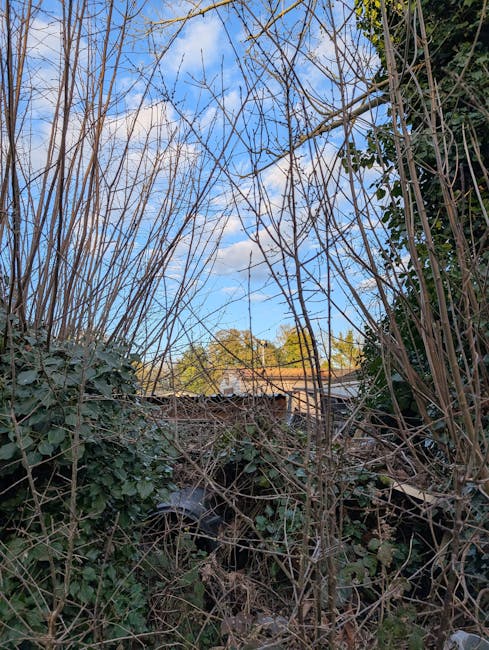
Garden clearance sounds simple until you're standing in a DA8 back garden that's full of brambles, wet leaves, broken pots, old timber, and a lawn you can barely see. Add awkward access, hidden hazards, and the usual British weather, and it quickly turns into a bigger job than expected. That's why understanding the common garden clearance problems in DA8 and how gardeners fix them is so useful: it helps you know what you're dealing with, what the pros actually do, and when a tidy-up needs proper clearance rather than a quick rake and bag job.
In this guide, you'll find the practical issues gardeners run into, the methods they use to clear them safely and efficiently, and the decisions that make the biggest difference to time, cost, and finish. If you've got a neglected garden, a post-tenancy mess, or just a space that has got away from you a bit, this should give you a clear way forward. Truth be told, most problem gardens are fixable.
Why Common garden clearance problems in DA8 and how gardeners fix them Matters
DA8 gardens, like a lot of London suburban spaces, often have a few things in common: limited access, compact layouts, boundary issues, and a tendency for clutter to build up quietly over time. One month it's a few trimmings and a pile of leaves. Then a year later, you're looking at a space that needs real work. That's where professional garden clearance becomes less of a luxury and more of a practical reset.
The main thing is that overgrown gardens are not just untidy. They can hide slippery paths, damaged fencing, pest shelter, unstable branches, and uneven ground. If there's a deck, patio, or side return involved, dirt and weed growth can also make the whole place feel darker and more confined. People are often surprised how much difference a proper clearance makes. You clear the mess, and suddenly the garden has breathing room again.
There's also the time factor. A garden that looks like a weekend job can easily become three or four different jobs: cutting, lifting, sorting, bagging, loading, and then disposing responsibly. If you are already juggling work, family, or rental deadlines, that adds pressure fast. A good gardener breaks the job down and deals with it in the right order, not the most obvious order. That sounds minor, but it matters more than people think.
For homeowners, landlords, and tenants alike, a well-managed clearance can also protect the longer-term value of the outside space. If a garden is kept under control after the first big tidy-up, it becomes much easier to maintain. That is where a service like garden maintenance starts to pay off. Clearance deals with the backlog; maintenance stops the backlog returning.
How Common garden clearance problems in DA8 and how gardeners fix them Works
Garden clearance is really a sequence of decisions. First, gardeners assess what is in the space, what can be cut back, what needs removing, and what may need extra care. That initial look often reveals the real problem. The garden might look overgrown, but underneath the surface there could be rotten timber, buried rubbish, or root spread. You can't safely clear what you haven't properly identified.
In practice, gardeners usually work from the top down and from the safest access point inward. They remove loose waste, cut back dense growth, reduce awkward shrubs, and then tackle the heavier material. If trees are involved, especially if branches are close to buildings or power lines, they may recommend specialist help through tree surgery or tree lopping and removal. That is not overkill. It is often the safest and cleanest route.
Once the site is opened up, the team can see what else is going on: weeds under paving, moss on hard surfaces, broken edging, or a fence that has been hidden by climbers for years. If there are hard surfaces to restore, services such as patio cleaning can make the whole garden feel new again. A lot of people focus on the plant growth, but in many gardens the hard landscaping is where the real visual impact is hiding.
Good clearance also includes sorting waste into manageable groups. Green waste, mixed rubbish, timber, soil, and reusable items all need different handling. The best gardeners do not just "take it away"; they separate it properly, keep the site safe, and leave things ready for the next stage, whether that is reseeding, hedge work, fencing, or a full redesign.
Key Benefits and Practical Advantages
When the job is done properly, the benefits go well beyond a tidy appearance. Here are the ones people notice first:
- Clearer access: paths, doors, gates, and side passages become usable again.
- Safer conditions: fewer trip hazards, fewer hidden sharp objects, and less risk from unstable growth.
- Better light and air movement: cutting back dense growth helps the space feel more open.
- Easier ongoing care: once the bulk is gone, regular upkeep is much simpler.
- Improved property presentation: useful for selling, renting, or just enjoying the space yourself.
- More accurate next-stage planning: it is easier to see what the garden actually needs after clearance.
There is also a practical mental benefit people don't always mention. A cluttered garden can feel naggingly unfinished every time you look at it from the kitchen window. Once it is cleared, the whole house can feel lighter. A bit dramatic? Maybe. But not really.
If you are planning future improvements, a cleared site makes other services more effective too. For example, a fenced boundary is easier to assess once growth has been removed, and fencing work is simpler when old debris and tangling shrubs are out of the way. The same goes for bigger redesigns involving landscaping or landscape gardening.
Who This Is For and When It Makes Sense
Garden clearance in DA8 is usually the right call for one of five situations. If any of these sound familiar, you are probably in the right place.
- Homeowners with a garden that has been left for a few seasons and now feels out of control.
- Landlords preparing a rental property for new tenants.
- Tenants who need to return a garden in reasonable condition.
- People buying or selling a property and wanting the outside space to look cared for.
- Busy households that keep meaning to sort it out, but never quite get round to it.
It also makes sense after storms, heavy leaf fall, long periods away from the property, or when a previous DIY attempt has left waste scattered around. Let's face it, it is easy to underestimate how fast a garden can slip from "needs a bit of attention" to "where do we even begin?"
Sometimes the better question is not whether you need clearance, but how much clearance you need. A light tidy, a partial cutback, and a full strip-out are very different jobs. If the goal is simply to keep things under control, a combination of clearance and regular lawn care or lawn mowing may be enough. If the garden is heavily overgrown, though, a deeper clearance is usually the smarter first step.
Step-by-Step Guidance
Here's the process gardeners generally follow when fixing the common clearance problems found in DA8 gardens.
- Inspect the garden properly. Check access, boundary edges, hidden waste, and any unsafe features such as broken glass, rusty metal, or unstable branches.
- Separate the problem areas. Many gardens have different jobs in different zones: front path, lawn, hedge line, shed area, patio, and side return. Breaking it up keeps the job controlled.
- Remove loose and obvious waste first. Old pots, bags, broken furniture, and surface debris are taken out early so the real work can begin.
- Cut back overgrowth in stages. Dense shrubs, brambles, ivy, and long grass are reduced gradually to avoid damaging useful plants or hidden structures.
- Deal with trees and woody growth safely. Larger limbs, dead wood, or leaning trees may need specialist attention through tree surgery.
- Clear hard surfaces. Patios, paths, and drive areas are swept, weeded, and sometimes pressure-cleaned where appropriate.
- Sort and remove waste responsibly. Green waste, timber, and mixed rubbish are handled according to the site and the material involved.
- Finish with a practical reset. Edges are neatened, visible surfaces are checked, and the garden is left ready for maintenance or replanting.
In many cases, this process uncovers a second layer of issues. That is normal. A garden that has been hidden by growth often looks worse before it looks better. The important thing is not to panic when the first few barrow loads come out. That is usually a sign the job is finally moving in the right direction.
For homeowners who want to keep the garden in shape after the initial work, a follow-up plan matters. Even something as simple as monthly visits can stop weeds, litter, and regrowth from taking over again.
Expert Tips for Better Results
A few small decisions can save a lot of time and frustration.
- Start with access. If the side gate is blocked or the path is cluttered, fix that first. It makes everything else easier.
- Work from dry to wet areas. Wet leaves, mud, and soaked clippings become heavier and messier fast.
- Protect what you want to keep. Established plants, bulbs, and edging can disappear under a rushed cutback job.
- Be careful near structures. Sheds, fences, decking, and wall bases often hide rot, slips, or insect damage.
- Think about the next season. Clearing in spring is not the same as clearing after autumn leaf fall. The timing changes the amount of waste and the kind of regrowth you'll see.
One thing experienced gardeners tend to do is pause before cutting anything substantial. Sounds obvious, but people often leap in and then discover they have removed something important. I've seen it happen with climbers growing through a trellis, where the whole structure was supporting itself on the plant. Not ideal.
If a garden includes hedges that are swallowing the boundary line, the right move may be to combine clearance with hedge trimming. That keeps growth under control without stripping the garden bare. It is a more measured finish, and usually a nicer one too.
Common Mistakes to Avoid
Most bad clearance jobs happen for one of a handful of reasons.
- Trying to do everything in one go. Exhaustion leads to poor decisions and missed hazards.
- Ignoring what is buried underneath. Hidden rubble or metal can damage tools and injure hands and feet.
- Cutting too hard near live plants. Once a shrub is hacked back wrongly, it may take a long time to recover.
- Leaving waste in piles. It looks temporary, but it often becomes a new nuisance within days.
- Forgetting hard surfaces. A cleared lawn with a filthy patio still feels unfinished.
- Skipping aftercare. If you do not plan the next maintenance step, the clutter can return surprisingly fast.
Another common mistake is assuming a garden clearance is only about appearance. In reality, gardeners are often dealing with safety, drainage, access, and long-term manageability. The neat look at the end is just the visible part.
And yes, there is always one stubborn patch of bramble that seems to have a personal vendetta. That is just part of the job.
Tools, Resources and Recommendations
Different clearance jobs need different tools, and the right kit depends on the size and condition of the garden. For lighter work, gardeners may use secateurs, loppers, hand forks, rakes, shears, tarps, and strong sacks. For dense or neglected spaces, they may bring heavier cutting tools, wheelbarrows, and loading equipment. The important part is not the brand or the shine. It is using the right tool for the material in front of you.
For larger, tangled gardens, a proper clearance team will also think about waste handling from the start. That includes separating green waste from mixed rubbish and thinking about how to move material through narrow access. If the route to the front of the property is tight, the job plan changes. It has to.
It can also help to pair clearance with other services depending on what the garden needs next. A few useful combinations are:
- garden clearance plus garden maintenance for long-term control
- clearance plus patio cleaning for hard-surface restoration
- clearance plus lawn care to help grass recover
- clearance plus fencing if boundary work is needed
If you are comparing providers, it is sensible to ask how they handle waste, whether they can deal with awkward access, and whether they carry appropriate insurance. A professional outfit should be comfortable discussing that. No drama, just straightforward answers.
Law, Compliance, Standards, or Best Practice
For garden clearance in the UK, the key thing is responsible handling of waste, safe working methods, and avoiding damage to neighbouring property. While the exact legal duties can vary depending on the job, gardeners are generally expected to work carefully, dispose of waste properly, and avoid creating a nuisance or hazard.
In practical terms, that means a few things. Waste should be taken away through appropriate channels. Sharp, heavy, or contaminated materials should be separated and handled safely. If trees or large branches are involved, the job may require additional care, especially near walls, fences, or buildings. It is also sensible for a gardener to explain any limitations clearly before work begins. A good brief at the start saves a lot of stress later.
Insurance and safety matter too. If you are hiring someone to clear a garden, ask about their approach to risk, equipment use, and site protection. Services that explain their working standards openly, such as insurance and safety and their health and safety policy, tend to give customers more confidence. That is not about paperwork for its own sake; it is about knowing the job is being managed properly.
Sustainability is increasingly part of best practice as well. Reusing what can be reused, composting clean green waste where appropriate, and reducing unnecessary landfill all make sense in a real-world gardening context. If that matters to you, a provider's approach to recycling and sustainability is worth checking. Little things add up.
Options, Methods, and Comparison Table
Not every garden needs the same kind of clearance. Here's a simple comparison that helps set expectations.
| Method | Best for | Typical strengths | Watch-outs |
|---|---|---|---|
| Light tidy clearance | Minor leaf build-up, small weeds, basic pruning waste | Fast, budget-friendly, good for routine reset | Won't solve deeper overgrowth or hidden waste |
| Full garden clearance | Neglected gardens, heavy brambles, mixed debris, post-tenancy jobs | Thorough, transforms access and visibility | More labour-intensive, may reveal extra issues |
| Clearance plus maintenance | Gardens that keep regrowing quickly | Prevents the same problem returning | Requires a regular plan, not a one-off fix |
| Clearance plus specialist work | Overgrown trees, damaged hedges, blocked boundaries, hard-surface restoration | More complete finish and better long-term result | May need more than one visit or more than one skill set |
The best choice usually depends on the state of the space, the timing, and what you want to do next. If the goal is a quick visual reset before a move, a full clearance may be enough. If the garden needs to become genuinely manageable again, you will probably want follow-up care too.
Case Study or Real-World Example
A typical DA8 job might start with a modest request: "just clear the back garden." Then you arrive, and the whole thing tells a slightly different story. The lawn is patchy and knee-high in places, a few shrubs have pushed out into the path, and the patio has gone slick with algae and leaf debris. The side access is narrow, there's an old bag of compost stuck behind a bin, and the fence line is hidden under tangled growth. Nothing wild, but enough to make the space feel impossible.
The gardener would usually begin by clearing the access route so waste can move out cleanly. Then the obvious debris comes out first: loose pots, dead branches, old plastic, and cuttings. After that, the brambles and overgrowth are reduced section by section, rather than hacked down in one rush. Once the garden opens up, the patio can be cleaned, the lawn can be assessed, and the fence line becomes visible again. Often, the customer says the same thing at the end: "I forgot how big it was." That is a lovely moment, actually.
From there, the next sensible step may be recurring maintenance, hedge work, or a small landscaping update. A garden that has been cleared properly can be much easier to improve than one that is still hiding under debris.
Practical Checklist
Use this quick checklist before booking or starting a garden clearance job in DA8.
- Confirm what actually needs removing: plants, debris, rubbish, or all of the above
- Check whether access is narrow, shared, or blocked
- Look for hidden hazards such as glass, nails, sharp metal, or rotten timber
- Decide whether large trees or heavy branches need specialist attention
- Think about whether patios, paths, or decking also need attention
- Ask how waste will be sorted and removed
- Consider whether you need follow-up maintenance after the clearance
- Set a realistic budget and timeline
- Make sure the finish you want is clear: tidy-up, full reset, or preparation for redesign
- Keep the next season in mind so the garden stays manageable
That last point is easy to overlook. But if you clear a garden beautifully and then leave it alone, nature tends to reclaim the space with admirable enthusiasm.
Conclusion
The most common garden clearance problems in DA8 are usually a mix of overgrowth, hidden waste, awkward access, tired hard landscaping, and the simple fact that the job has been left too long. Gardeners fix these problems by working methodically: assess first, clear safely, remove waste properly, and then leave the space ready for whatever comes next. That could be maintenance, hedge work, lawn recovery, or a more ambitious redesign.
If you take one thing from this guide, let it be this: the best clearance is not just the one that looks good at the end of the day. It is the one that makes the garden easier to live with next month, and the month after that. That is the real win.
If you want a garden that feels usable again, start with the backlog, then protect the progress. Small steps, done properly, can make a surprisingly big difference.
Get a free quote today and see how much you can save.
Frequently Asked Questions
What are the most common garden clearance problems in DA8?
The usual issues are overgrown grass, tangled hedges, brambles, fallen leaves, rubbish, blocked access, and hidden debris. In some gardens, there are also broken fences, slippery patios, or trees that need specialist attention.
How do gardeners clear an overgrown garden safely?
They usually start by checking the site for hazards, clearing access, removing loose waste, and then cutting back growth in stages. Larger trees or unstable branches may be handled separately through specialist tree work.
Do I need full garden clearance or just a tidy-up?
If the garden only has light debris and a little overgrowth, a tidy-up may be enough. If you cannot see the lawn, paths, or boundary edges, a full clearance is usually the better option.
Can gardeners remove rubbish as well as green waste?
Often, yes, but mixed waste and general rubbish may need to be handled differently from cuttings and soil. It is best to explain what is in the garden before the job starts.
How long does a garden clearance usually take?
It depends on the size of the garden, how overgrown it is, and whether there is hidden waste or difficult access. A small tidy-up can be quick, while a neglected garden may take much longer.
Will garden clearance damage my plants?
It should not, if it is done carefully. Good gardeners separate problem growth from plants you want to keep and avoid rushing the cutback. A quick assessment at the start helps a lot.
What happens if there are large branches or unsafe trees?
Those are normally assessed separately, and specialist work may be recommended. Services such as tree surgery or tree lopping and removal are often the safer route for bigger woody growth.
Is patio cleaning worth doing after clearance?
Very often, yes. Once the clutter is gone, dirty or slippery paving stands out much more. A clean patio can make the whole garden feel finished instead of half-done.
How can I keep the garden from getting messy again?
Regular maintenance is the key. Light pruning, lawn cutting, weed control, and seasonal checks stop the same problems from building up again.
What should I ask before booking a garden clearance service?
Ask what is included, how waste is removed, whether the team is insured, and whether they can handle awkward access or specialist jobs. It is also sensible to ask about follow-up maintenance if you want the garden to stay tidy.
Can a cleared garden be prepared for landscaping later?
Yes, and that is often the best way to approach it. Once the old growth and waste are removed, it becomes much easier to plan fencing, planting, lawn work, or a larger landscaping project.
Why is garden clearance in DA8 often more involved than people expect?
Because the visible mess is usually only part of the picture. Hidden rubbish, dense root systems, access issues, and old hard surfaces can all make the job more involved than a simple weekend tidy.